 Tài khoản
 admin
adminHow to Choose a Pet GPS Tracker
Choosing a GPS tracker for your pet is a top concern today, especially if you want to ensure the safety of your four‑legged friend. This guide provides full coverage—from how to choose a pet GPS tracker and best GPS tracker for dogs guide, to choosing the right GPS tracker for pets—so you can select what suits your pet best. Let’s explore the key factors behind which GPS tracker is best for pets, what to look for in a pet GPS tracker, and the detailed pet GPS tracker buying guide to understand criteria and make choices like the best GPS tracker for small dogs or the best GPS tracker for cats 2025. You can refer to this video
https://youtu.be/MDrVUC7NhC8
What is a Pet GPS Tracker and Why You Need One
How to Choose a Pet GPS Tracker for Your Furry Friend
Equipping your pet with a GPS tracker doesn’t just help locate them if they get lost—it also gives you peace of mind when they’re out walking or playing. To truly understand the importance of such a device, let’s look at its nature and real-life applications.

Key Benefits of GPS Tracking for Pets
-
Accurate Location Reporting
GPS devices give you precise current location, reducing the risk of your pet being lost or missing for long periods. This is especially vital for pets that love to roam. -
Activity Monitoring
Many trackers monitor physical activity, helping you understand your pet’s movement habits and adjust diet and care accordingly. -
Geofencing Alerts
Set safe zones for your pet—if they leave them, you’ll receive immediate alerts. This helps you intervene promptly if your pet wanders off or enters danger zones.
With a GPS tracker, you’re actively safeguarding your pet—lowering the risk of loss and increasing the chance of recovery.

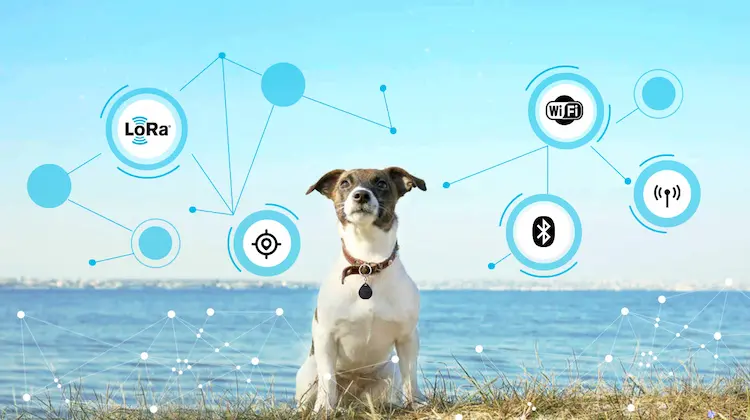
Different Types of Pet Tracking Technologies
-
GPS: Most common for its wide-range, accurate tracking—ideal for pets that wander far.
-
Bluetooth: Best for small pets within a limited range (usually under 100 feet). Uses less battery but only effective at short distances.
-
Radio Frequency (RF): Reliable in areas without mobile coverage, but requires a separate receiver and has limited range.
Knowing which technology fits your pet’s habits and environment ensures you choose the right tracker.
Real-world Applications and Success Stories
Many real stories prove the effectiveness of pet GPS trackers. Pets lost in wide or distant areas have been found quickly thanks to GPS devices. Trackers also help monitor pets during walks and prevent risky behavior like running into busy streets. Beyond simply finding lost pets, GPS trackers support daily health monitoring and enhance overall quality of life—making them indispensable for pet lovers.
Essential Features to Consider When Buying a Pet GPS Tracker
GPS Accuracy and Coverage Range
Look for trackers that offer high precision across wide areas. GPS accuracy ranges from a few meters to several tens of meters, depending on device and environment (e.g., urban vs. rural). In dense cities, choose devices that use Wi‑Fi or cellular augmentation for better accuracy. Also ensure the coverage suits your living area—some work only where mobile signal exists, others use private networks or RF.
Battery Life and Power Options
Battery life varies widely—from a few days to weeks depending on usage. Devices with fast charging or easily replaceable batteries add convenience. Some offer power‑saving modes when your pet isn’t moving much. Consider your usage patterns to choose a battery setup that fits you.
Waterproof and Durability Ratings
Active pets may get wet or dirty. Devices with IP67 or IP68 ratings withstand immersion or splashes. Durable, impact‑resistant casings resist drops and rough play.
Size and Weight Considerations
Trackers for small dogs or cats must be lightweight and compact—ideally only a few dozen grams. Larger, tougher devices suit big dogs. Make sure collars or clips hold securely and don’t cause discomfort.
Best GPS Trackers for Different Pet Sizes
Small Dogs (Under 20 lbs)
Choose ultra-light, compact trackers—some brands offer models weighing just tens of grams, with soft straps and precise geofencing. Waterproof features are a must. Brands like Whistle and Fi cater to small dogs with user‑friendly apps and solid support.
Medium to Large Dogs
Devices for larger dogs can be bigger and more rugged, with longer battery life and broader coverage—ideal for outdoor play. Many offer advanced health sensors, real-time tracking, and strong water resistance.
Cats
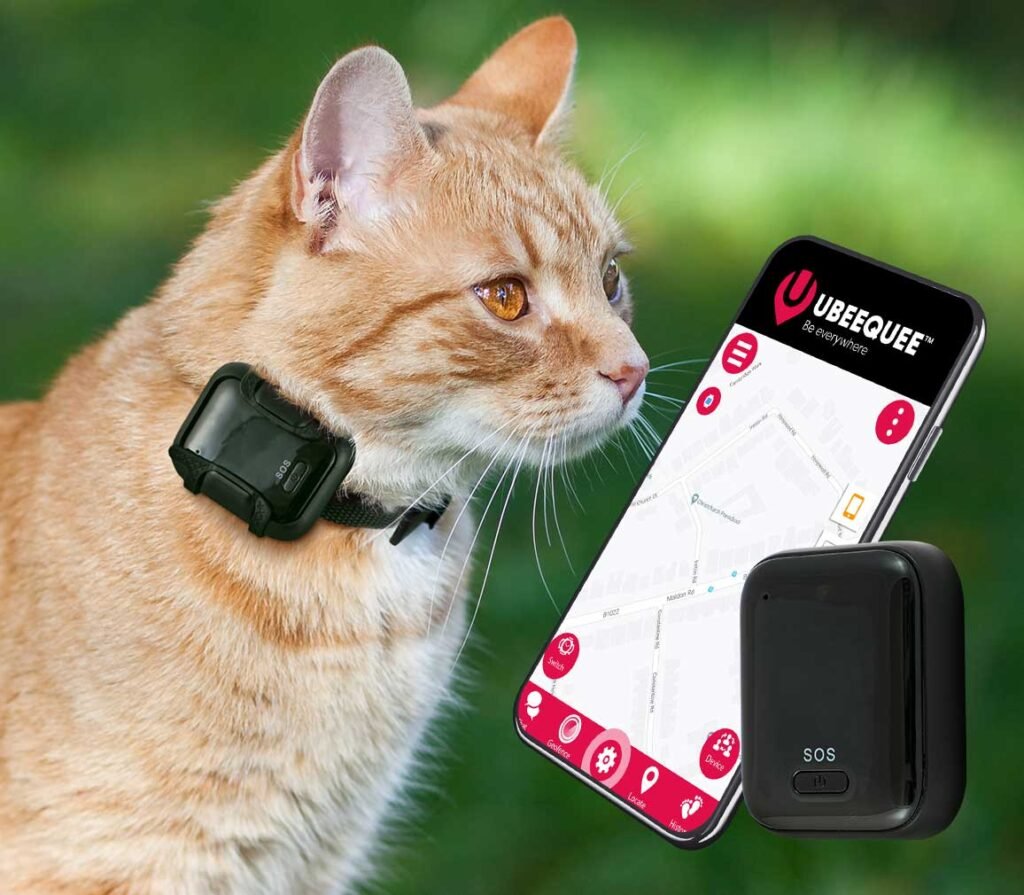
Cat trackers must be lightweight (often under 30 g), durable, and work well in tight or obstructed areas. Some offer built-in speakers or microphones for calling your cat back. Real-time alerts are helpful for nocturnal roaming.
Understanding GPS Tracker Technology
GPS vs Bluetooth vs Radio Frequency (RF)
-
GPS provides global coverage but relies on satellite connectivity and mobile or private networks.
-
Bluetooth suits short-range tracking near home.
-
RF works offline but only within limited distance and requires a handheld receiver.
Cellular Network Requirements
Most GPS trackers use cellular data via SIM cards. Make sure the tracker supports mobile networks common in your area (e.g., 3G, 4G LTE). If coverage is poor, opt for multi‑network models or alternatives.
Real-time Tracking Capabilities
Trackers with continuous updates let you monitor your pet’s location minute-by-minute. But real-time tracking usually consumes more battery and involves a monthly subscription—consider your needs before choosing.
Smart Features and App Integration
Modern trackers connect to mobile apps (Android/iOS) where you can view location, movement history, set safe zones, and receive alerts. Some apps also analyze activity trends, support long-term tracking, and let you customize alerts and behaviors.
Cost Analysis: Initial Investment vs Long-term Value
Device Price Comparison
Pet GPS trackers in Vietnam range from several hundred thousand to a few million đồng. Lower-priced models offer basic tracking and simpler design. Premium models offer advanced health monitoring, greater durability, and smoother connectivity.
Example (approximate prices in Vietnam):
-
Whistle GO Explore – 3,500,000 VND, ~20‑day battery, health & geofence features
-
Fi Smart Dog Collar – 4,200,000 VND, ~22‑day battery, water‑resistant, advanced activity tracking
-
Tractive GPS – 2,800,000 VND, ~5‑7 day battery, real‑time tracking, easy app
-
Tile Mate (Bluetooth) – 400,000 VND, 1‑year replaceable battery, ~60 m range, budget small‑pet option
Monthly Subscription Plans
Most trackers require a subscription for data transmission and alerts (typically 150,000–500,000 VND/month). Some vendors offer trial periods or long‑term discounts. If you only need basic tracking, cheaper Bluetooth or RF devices with no subscription might suffice.
Additional Features Worth Paying For
Higher-end trackers may include health alerts, community tracking features, or VIP customer support. If you care about proactive health monitoring or shared access with multiple users, it may be worth the extra cost. Otherwise, a simple tracker may do.
Top GPS Tracker Brands Comparison
-
Whistle: Health-focused, compact, accurate, durable—ideal for pet wellness.
-
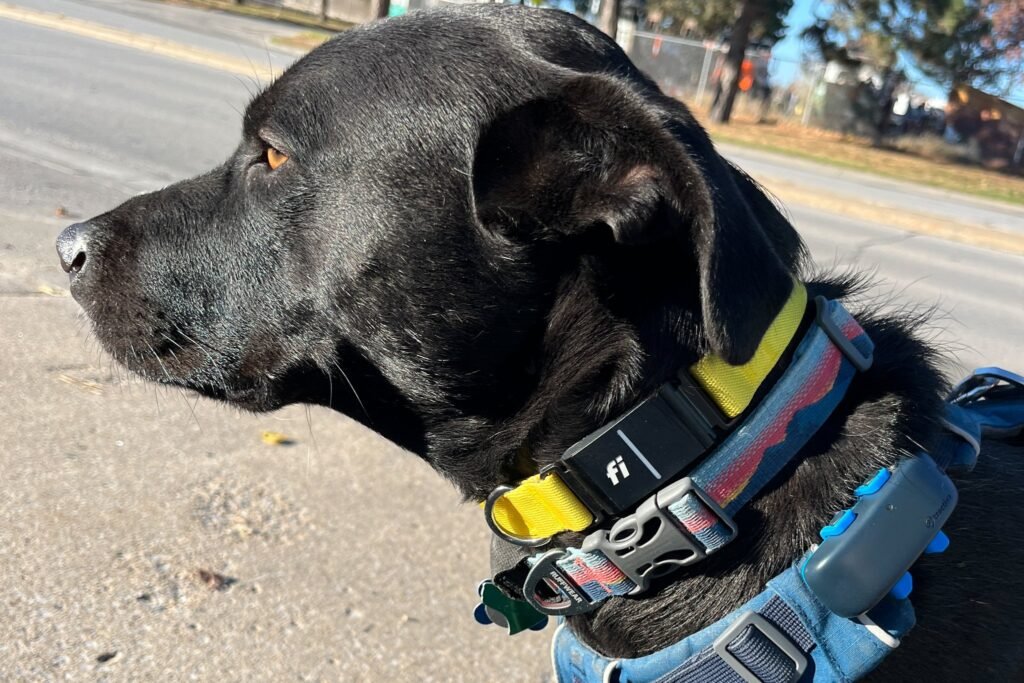
Fi: Extremely long battery life, waterproof, all‑weather coverage—best for large dogs and active outdoor use.
-
Tractive: Affordable, intuitive app, real‑time tracking—great entry‑level option.
Budget devices like Tile Mate or generic RF units may work for short‑range needs but often lack after-sales support or precision.
Installation and Setup Guide
Collar Attachment Methods
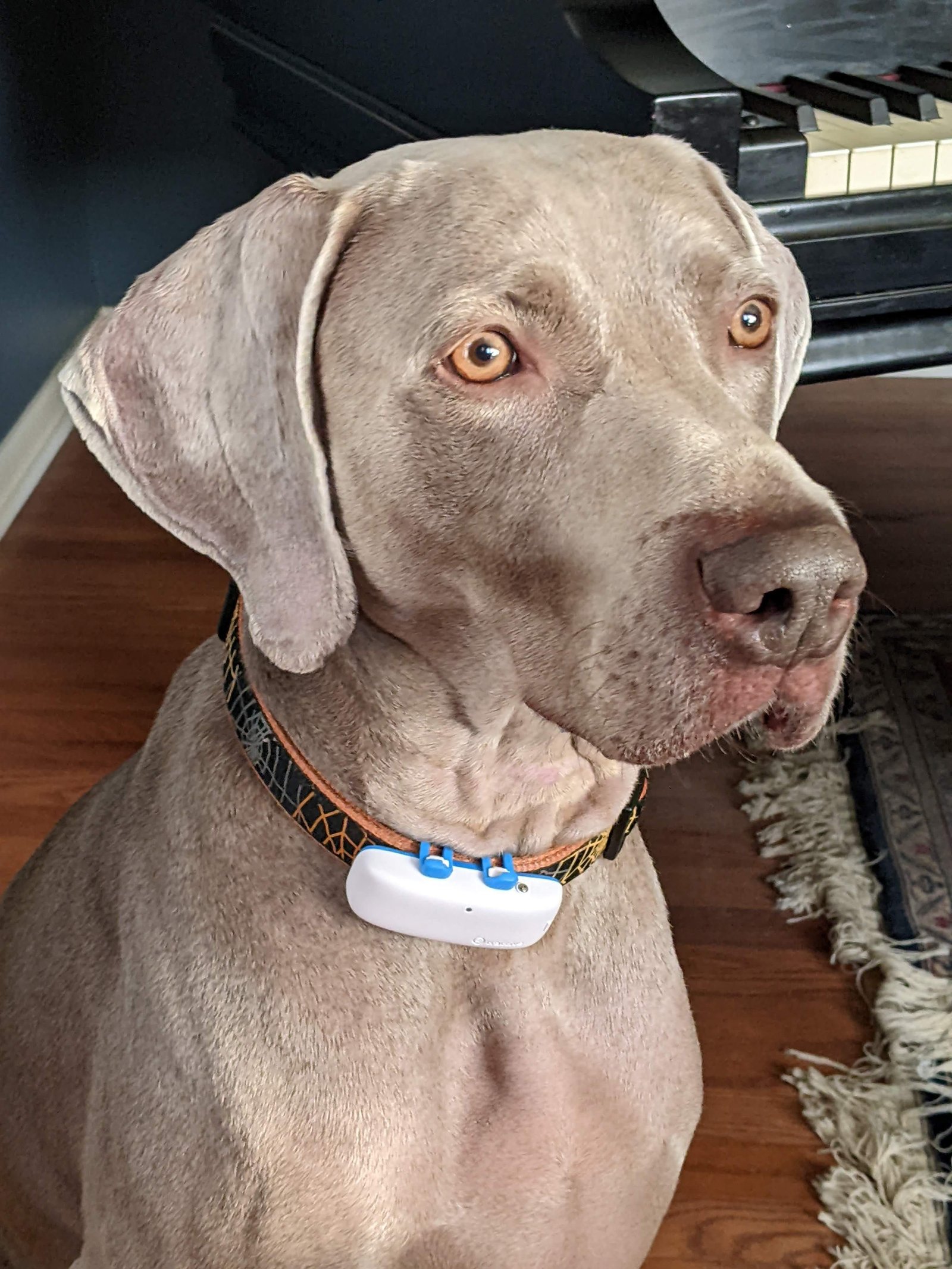
Attach securely with an adjustable strap—not too tight, not too loose. Look for quick-release designs for easy battery swaps and device cleaning. For cats, consider breakaway straps for safety.
App Setup and Configuration
Install the companion app, register and pair the device via Bluetooth or mobile data. Set starting location, geofencing zones, alerts, and check update frequency. Make sure syncing works and notifications are activated.
Testing and Troubleshooting
Test with a short walk to verify location accuracy, alert functionality, and battery performance. If problems arise—poor connectivity, fast battery drain, failed alerts—refer to troubleshooting guides or contact manufacturer support.
Common Mistakes to Avoid
-
Mismatch in Size/Weight: Too large can irritate pets; too small might break or fall off.
-
Ignoring network coverage: If your area lacks mobile signal, choose appropriate technology.
-
Misunderstanding battery claims: Real‑time tracking uses more power—plan accordingly.
-
Poor maintenance: Neglecting cleaning or inspection reduces lifespan and reliability.
Maintenance and Care Tips
Battery Management
Charge fully before first use and don’t let the battery drain completely often. Use power‑saving mode when inactive. If unused for a while, charge fully and turn it off.
Cleaning and Storage
Wipe device gently with a soft cloth—avoid harsh chemicals. Store in a dry, cool environment away from direct sunlight or heat.
Regular Check-Ups
Periodically check battery status, strap condition, and device functionality. Routine checks prevent unexpected failures and extend device life.
Frequently Asked Questions
-
How accurate are pet GPS trackers in urban vs. rural areas?
In dense urban areas, accuracy may drop to 10–30 m due to building interference; in rural or suburban areas, error is often just a few meters. Some devices offset urban errors using Wi‑Fi or mobile positioning. -
What’s the average battery life of a pet GPS tracker?
Typically ranges from 5 days to over 3 weeks. Longer life depends on device design and usage patterns; continuous tracking drains battery faster. -
Do all pet GPS trackers require a monthly subscription?
Most that use mobile data do require one. Bluetooth or RF trackers typically work without subscriptions but offer limited range and functionality. -
Can I use the same GPS tracker for both cats and dogs?
Possibly—if the device is lightweight and adjustable. But dedicated cat trackers are generally smaller and more comfortable. For multi-pet households, choose a flexible, lightweight model. -
How waterproof are pet GPS trackers?
Most come with IP67 or IP68 ratings, capable of handling splashes or short immersion. Be sure to check each model’s specifications to match your pet’s habits.
Conclusion
Choosing the right GPS tracker for your pet involves much more than price or brand. You need to consider GPS accuracy, battery life, smart features, and most importantly, size and durability suited to your pet. Armed with this comprehensive guide—including how to choose a pet GPS tracker, best GPS tracker for dogs guide, and key decision‑making criteria—you’re now empowered to find the optimal solution for your furry companion. This helps ensure both safety and better health management through smart, informed care.You can refer to these articles to make the best decision.